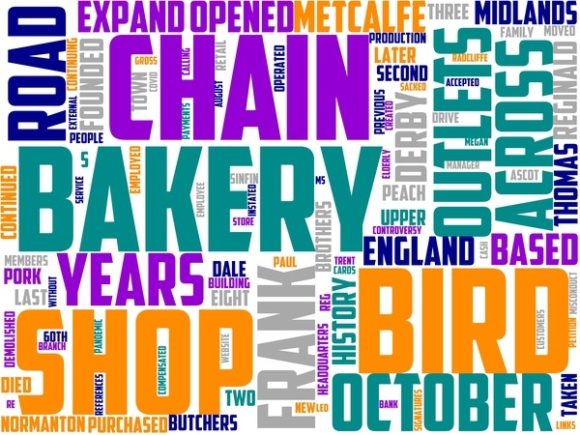
Bakery Manager Wordart Tshirt
If you’ve ever stood in front of a blank t-shirt, notebook cover, or event banner wondering how to express passion, pride, or personality—without relying on clichés or overused fonts—you’re not alone. The Bakery Manager Wordart Tshirt isn’t just another graphic; it’s a hand-drawn, colorful wordcloud built around the heart of a bakery: leadership, craft, warmth, and community. Each word—like “sourdough,” “oven-fresh,” “team,” “bake,” “glaze,” “rise,” “whisk,” “cinnamon,” “shift,” “recipe”—is thoughtfully placed, sized, and angled to feel organic, joyful, and intentional. It’s designed to resonate—not just decorate.
Where This Wordcloud Fits Naturally (and Why It Works)
Unlike rigid clipart or generic stock graphics, this wordcloud breathes. Its hand-drawn texture gives it authenticity—something people notice and remember. That’s why it lands so well in real-world settings where tone matters as much as visuals.
A small-batch bakery owner in Portland uses it on staff t-shirts for their annual “Bake-Off Day.” Customers don’t just see a logo—they see energy, skill, and inside language (“proof,” “laminated,” “retard”) that signals expertise. Meanwhile, a high school culinary instructor prints it onto classroom posters and student notebooks. Students recognize words they’re learning—and start using them confidently in conversation. It’s subtle reinforcement, not decoration.
Freelance designers working with food brands often reach for this wordcloud when building brand mood boards or packaging concepts. Because it’s layered with sensory and operational terms—not just “yum” or “delicious”—it helps clients visualize a full brand voice: grounded, skilled, human-centered.
Real Uses Beyond the T-Shirt
Yes, it’s called the Bakery Manager Wordart Tshirt, but its usefulness stretches far beyond apparel. Think of it as a visual toolkit:
- Staff onboarding kits: Printed on tote bags, aprons, and name tags—it reinforces culture from day one. New hires see “mentor,” “measure,” “taste,” “clean,” “rotate”—not just job titles.
- Local event banners & farmers’ market signage: When printed large on fabric or vinyl, the wordcloud draws eyes without shouting. Shoppers pause because it feels personal, not promotional.
- Digital assets: Bloggers use it as a background for Instagram Story highlights (“Recipes,” “Tips,” “Behind the Scenes”). Educators drop it into Canva slides for baking science units—pairing “fermentation,” “gluten,” and “Maillard” with clear diagrams.
- Packaging & labels: A gluten-free cookie brand overlays it lightly behind their product name on pouches. It adds depth without clutter—and subtly communicates care, process, and craft.
- Home décor for bakers: Framed on kitchen walls, stitched onto linen tea towels, or heat-transferred onto ceramic mugs—it becomes part of daily ritual. One user told us, “I look at my mug every morning and think, ‘Today I’ll knead with patience.’ It’s quiet motivation.”
Who Benefits—and How It Shifts Their Workflow
A freelance food photographer doesn’t just slap this on a client’s website. She layers it behind a hero image of golden croissants, adjusts opacity, and pairs it with clean sans-serif type. The result? A site that feels both artisanal and professional—no custom illustration budget needed.
An indie publisher creating a baking-themed journal includes the wordcloud as a decorative divider between sections (“Planning,” “Baking Log,” “Taste Notes”). Readers report flipping through it more slowly—“It makes me want to write *in* the words, not just around them.”
For educators running after-school baking clubs, printing the wordcloud on laminated cards turns vocabulary into tactile learning. Kids match words to tools, steps, or ingredients. No flashcards required—just curiosity sparked by design.
What to Consider Before You Use It
This isn’t a one-size-fits-all PNG you drag-and-drop and forget. Thoughtful use makes all the difference.
First—intention matters more than placement. If you’re designing a business card for a pastry chef launching her own consultancy, using the full wordcloud might overwhelm. Instead, pull out three key words (“balance,” “teach,” “scale”) and set them in clean type beside her contact info. Let the wordcloud inform your choices—not dictate them.
Second—color context changes everything. The original is vibrant and warm, but if you’re applying it to navy fabric or charcoal stationery, try desaturating or recoloring select words in muted ochre or cream. It keeps the spirit alive without clashing.
Third—scale affects readability. On a tiny sticker or e-book chapter header, only the largest words will register. Test print or preview at actual size. Sometimes cropping tightly around “fold,” “score,” and “bloom” delivers more impact than the full cloud.
And finally—permission and purpose. This design is meant for personal, commercial, and educational use—but always check the license details before mass-producing merchandise or embedding in apps. Most users apply it ethically and intuitively: if it supports genuine connection, craft, or clarity, you’re on solid ground.
Why It Sticks With People (Literally and Figuratively)
You’ve probably seen dozens of bakery-themed graphics online—some overly rustic, others too clinical. What makes the Bakery Manager Wordart Tshirt linger is its balance: technical enough for professionals (“autolyse,” “dock,” “bench rest”), warm enough for customers (“hug,” “share,” “sweet”), and human enough for learners (“mistake,” “try again,” “taste test”).
That duality is rare. It doesn’t shout “I’m a baker!”—it whispers “I know what this work asks of me, and I love it.” That nuance resonates across roles: the café owner updating her menu board, the blogger designing a printable recipe binder, the teacher prepping for career day. It meets people where they are—not where marketing tells them they should be.
So whether you’re stitching it onto an apron before your first solo pop-up, framing it above your home oven, or using it as a subtle watermark in your wholesale catalog—it works because it’s rooted in real practice, not just pretty words.
And that’s why, months later, someone still comments on your Instagram post: “Love that shirt—what does ‘laminate’ mean in the corner? Asking for a friend who just bought her first rolling pin.” That’s the moment the wordcloud does its quiet, meaningful work.