Beekeeping Wordart T-Shirt: Where Creativity, Craft, and Conservation Meet
Imagine wearing a t-shirt that doesn’t just look vibrant—but tells a story. A design bursting with hand-drawn charm, where words like “honey,” “hive,” “pollinate,” “queen,” “wax,” and “stingless” swirl together in joyful, colorful harmony. That’s the essence of the Beekeeping Wordart T-shirt: more than apparel, it’s wearable inspiration rooted in ecology, education, and artistry.
What Is Beekeeping Wordart—and Why Does It Resonate?
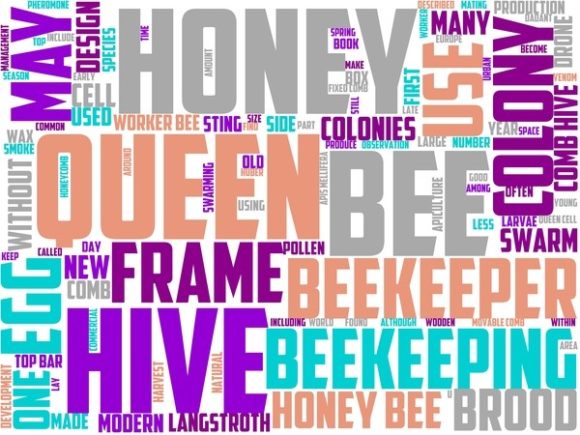
Beekeeping Wordart refers to a thoughtfully crafted, hand-drawn word cloud centered on apiculture—the science and practice of beekeeping. Unlike generic text graphics, this design is intentionally curated: each word reflects a meaningful concept—from biology (“brood,” “propolis”) to stewardship (“sustainable,” “native plants”) to wonder (“swarm,” “nectar,” “golden hour”). The result? A visual lexicon that celebrates bees not as pests or products, but as vital, intelligent collaborators in our shared ecosystem.
This isn’t clipart. It’s designed for versatility and depth. Every curve, color, and placement is hand-illustrated—no algorithm-generated repetition. That human touch makes it feel personal, authentic, and emotionally resonant—qualities readers and buyers increasingly seek in today’s saturated digital marketplace.
More Than a T-Shirt: A Multi-Use Creative Asset
While the Beekeeping Wordart T-shirt is a standout application, the underlying design functions as a scalable creative toolkit. Its clean vector format and thoughtful spacing allow seamless adaptation across dozens of physical and digital uses—including:
- Clothing & accessories: T-shirts, tote bags, aprons, socks, and even beekeeper veil patches
- Home décor: Framed posters, throw pillows, ceramic mugs, wall decals, and kitchen towels
- Paper goods & printables: Greeting cards, thank-you notes, seed packet labels, workshop handouts, and classroom posters
- Marketing & outreach: Farmers’ market banners, pollinator week flyers, nonprofit campaign stickers, library program magnets, and eco-festival programs
- Craft & education: Scrapbooking elements, embroidery patterns, textile prints for quilting, and illustrated pages for children’s nature journals
- Digital extensions: E-book chapter dividers, social media quote graphics, webinar backgrounds, and newsletter headers
This flexibility stems from intentional design choices: high-contrast readability at small sizes, balanced negative space for layering, and a palette inspired by real-life bee habitats—sunlit yellows, hive-brown ambers, pollen-orange gradients, and calming lavender undertones.
Why Beekeeping Themes Are Growing in Cultural Relevance
Beekeeping isn’t just a niche hobby—it’s a quiet movement. Over 2 million people in the U.S. alone keep bees (per the American Beekeeping Federation), and interest has surged among urban gardeners, educators, sustainability advocates, and even schools integrating hive observation into STEM curricula. Meanwhile, global bee population declines have elevated public awareness: honeybees pollinate over one-third of the world’s food crops, and native bees—often overlooked—support regional biodiversity in irreplaceable ways.
The Beekeeping Wordart design taps directly into this cultural moment. It avoids clichés (no cartoonish smiling bees or generic “save the bees” slogans) and instead invites curiosity. Seeing “forager” next to “varroa” or “nectar flow” beside “overwintering” sparks questions—and questions lead to learning. That makes it especially valuable for teachers, extension agents, conservation nonprofits, and local apiaries aiming to educate without overwhelming.
Dispelling Common Misconceptions
Some assume word art is purely decorative—or worse, superficial. But effective word clouds like this one operate on multiple levels:
- Lexical accuracy: Words reflect real beekeeping terminology—not poetic approximations. “Supersedure” appears alongside “queen cell” because it matters—not just because it sounds interesting.
- Visual hierarchy: Larger, bolder words (“colony,” “pollination”) anchor meaning; smaller terms (“drone,” “alighting board”) add nuance without clutter.
- Inclusive framing: It features both traditional and modern practices—mentioning “foundationless frames” and “chemical-free mite control”—acknowledging evolving ethics in apiculture.
Another myth: “Word art lacks professionalism.” In truth, designers and brands use curated word clouds precisely because they communicate complexity efficiently. Think of it like a botanical illustration meets infographic—rich in detail, yet instantly graspable.
Practical Tips for Using Beekeeping Wordart Thoughtfully
Whether you’re an educator printing classroom posters or a small-batch apparel maker launching a sustainable line, consider these best practices:
- Match context to audience: Use simplified versions (fewer technical terms) for elementary students; expand with scientific nomenclature for adult workshops or university outreach.
- Pair with action: Don’t just display the word cloud—add QR codes linking to local beekeeping associations, native plant guides, or citizen science apps like iNaturalist.
- Respect scale and legibility: On a business card, highlight 3–5 core words; on a 24"x36" poster, let the full cloud breathe with generous margins.
- Embrace texture: Print on organic cotton, kraft paper, or recycled canvas to reinforce the eco-conscious message embedded in the design itself.
From Inspiration to Impact: Real-World Applications
Take the Honeybee Habitat Project in Portland, Oregon: Their community garden launched a “Bee Word Art Challenge,” inviting kids to illustrate their own version using words from the official design. The resulting mural—featuring student-drawn bees hovering over “lavender,” “rain garden,” and “no pesticides”—now greets visitors at the garden gate.
Or consider Golden Hive Press, an indie publisher specializing in nature writing. They used the Beekeeping Wordart as a recurring motif across book covers, chapter headings, and downloadable journal prompts—creating visual continuity while reinforcing thematic depth across titles like The Quiet Work of Bees and What the Hive Knows.
Even tech-forward initiatives benefit: A California-based app helping backyard beekeepers log hive inspections incorporated subtle wordart elements into its onboarding screens—not as decoration, but as gentle, memorable orientation to key concepts.
Final Thought: Wear the Words. Grow the Understanding.
A Beekeeping Wordart T-shirt does more than make a statement—it opens doors. To conversation. To curiosity. To care. In a world where attention is fragmented and environmental urgency is rising, tools that blend beauty, clarity, and purpose are rare—and powerful.
Whether you’re stitching a pillow for your porch, designing a banner for Pollinator Week, or choosing a gift for the new beekeeper in your life, this hand-drawn word cloud offers something deeper than aesthetics: a shared vocabulary for stewardship. And sometimes, the most meaningful change begins not with a grand gesture—but with a single, well-chosen word, beautifully placed.
Download the high-resolution Beekeeping Wordart bundle—ready for print, embroidery, digital publishing, and beyond. Includes RGB and CMYK files, PNG transparency options, and commercial-use licensing.