Combat Sport Wordart Crafting
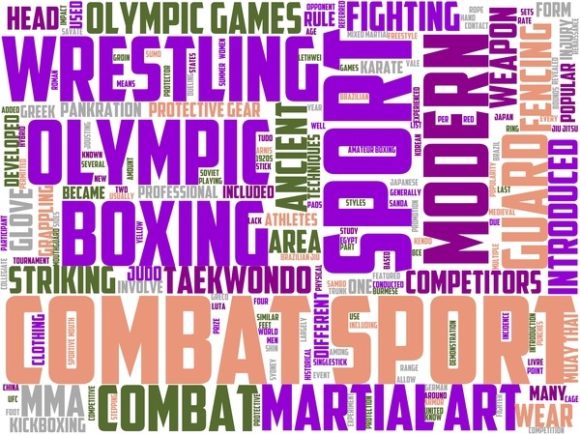
If you’ve ever stared at a blank t-shirt, poster board, or digital banner wondering how to convey energy, discipline, and spirit in one glance—Combat Sport Wordart Crafting is the quiet creative ally you didn’t know you needed. It’s not just decorative text. It’s a hand-drawn, colorful wordcloud built around themes like resilience, focus, power, grit, honor, and flow—curated specifically for martial arts, boxing, MMA, jiu-jitsu, kickboxing, and other combat disciplines. Each word is intentionally placed, weighted, and illustrated—not algorithmically generated, but thoughtfully composed by hand, with organic lines, layered textures, and vibrant, harmonious color palettes.
Where It Fits—Without Forcing It
You don’t need a design degree to use it. You *do* need a moment where words matter more than pixels—and where authenticity matters more than perfection. That’s where this wordart shines.
A yoga studio owner in Portland uses it on a limited-run workshop poster: “Focus • Breathe • Respect • Flow • Train.” She prints it on kraft paper with soy ink, tapes it to her studio window, and watches students pause mid-step to read it. No logo, no headline—just presence. The same file becomes the background for her Instagram Story announcement, resized and softened with a subtle overlay. Same art. Two contexts. Zero extra work.
A high school PE teacher in Ohio downloads the vector file and drops it into a Canva flyer for an after-school self-defense elective. He swaps out “Honor” for “Awareness,” adjusts spacing slightly, and prints 50 copies for hallway bulletin boards. Students recognize the style instantly—it feels human, not corporate. Enrollment jumps 30% over last year. Not because of flashy promises—but because the visual language matched the values he was trying to teach.
Real Uses, Not Just “Ideas”
This isn’t clipart you tack on and forget. It’s a flexible, tactile resource that adapts to your workflow—whether you’re screen-printing hoodies in your garage or designing a premium ebook cover for a coach launching their first program.
- Clothing & Textiles: Print it on cotton tees, mesh tank backs, or even woven jacquard patches for gym bags. Because it’s hand-drawn—not rigidly geometric—it holds up beautifully at small sizes and gains character when enlarged.
- Promotional Materials: Use it as a subtle watermark behind event dates on flyers, or scale it to fill a full-page ad in a local fitness magazine. Its balanced density means it reads clearly even when overlaid with light-colored type.
- Digital & Social: Drop it into a Zoom virtual background (no green screen needed), layer it over training video thumbnails, or animate individual words popping in for Reels—its clean vector base makes that easy.
- Educational Tools: A special education aide in Austin prints mini versions on cardstock, laminates them, and uses them during social-emotional check-ins: “How’s your focus today? Your patience? Your courage?” Kids point—not recite. It lowers the barrier to naming complex feelings.
- Home & Studio Decor: Frame it in a simple black floater frame above a home dojo mirror. Stitch it onto a linen pillow for a meditation corner. Heat-transfer it onto a ceramic mug used daily by a coach prepping for seminar prep. It becomes part of the environment—not decoration, but reinforcement.
Who Benefits—and How It Shows Up Differently
A freelance graphic designer in Nashville uses Combat Sport Wordart Crafting as a time-saving anchor in client projects. When a new Muay Thai gym asks for branding that feels “grounded but alive,” she starts here—not with fonts or palettes, but with this wordcloud as a mood compass. She extracts three dominant colors, mirrors the line weight in custom lettering, and builds the rest of the identity *around* its rhythm. Clients say, “It just *feels* right”—not because it’s trendy, but because it’s anchored in real practice.
A blogger documenting her journey from white belt to purple belt in BJJ uses the same file across platforms: cropped tightly for Pinterest pins, inverted for dark-mode newsletters, simplified into a monochrome version for embroidery mockups. She doesn’t need five different assets—she needs one that breathes with her voice.
A small-batch jewelry maker in Asheville laser-etches a tiny version onto brushed brass dog tags. She doesn’t market “accessories.” She markets “reminders”—worn close, carried daily. Customers write back saying they touch it before sparring, before tough conversations, before walking into job interviews. The wordart didn’t change the metal. But it changed what the metal *meant*.
What to Consider Before You Use It
First—check the file format. Most quality Combat Sport Wordart Crafting sets come as layered AI/EPS/SVG files (ideal for editing) *and* high-res PNGs with transparent backgrounds (for quick drag-and-drop). If you only get JPEGs or low-DPI PNGs, resizing will blur those delicate hand-drawn edges. Look for clear licensing terms too: personal use is often free or low-cost, but commercial use—especially for physical products like apparel or merchandise—usually requires an extended license. Don’t assume “free download = free to sell.”
Second—think about contrast and context. That rich teal-and-coral palette sings on cream paper but disappears on a busy floral background. Test it early against your intended surface or substrate. If you’re printing on dark fabric, make sure the set includes a reversed (light-line) version—or be ready to manually invert it in your editor.
Third—consider legibility at scale. Some wordclouds pack in 40+ terms. That’s powerful for posters—but overwhelming on a business card. Choose or edit down to 5–7 core words if tight space is part of your reality. Less isn’t lazy—it’s intentional.
More Than Decoration—A Quiet Anchor
In a world of AI-generated sameness and templated hustle, Combat Sport Wordart Crafting stands out by being *made*, not mined. It carries the slight irregularity of a steady hand, the warmth of pigment choice, the intention behind which word sits at the center—and which ones orbit outward like habits forming, skills deepening, confidence growing.
It won’t replace your coaching philosophy. It won’t substitute for consistent training. But it *can* hold space for both—on a wall, a wristband, a syllabus header, or the first page of a student’s journal. It can turn “I’m just making a flyer” into “I’m inviting people into something meaningful.” And sometimes, that shift—small as it seems—is exactly what moves things forward.