Cosplaying Wordart Sublimation: Hand-Drawn Colorful Wordclouds That Bring Joy to Real-Life Projects
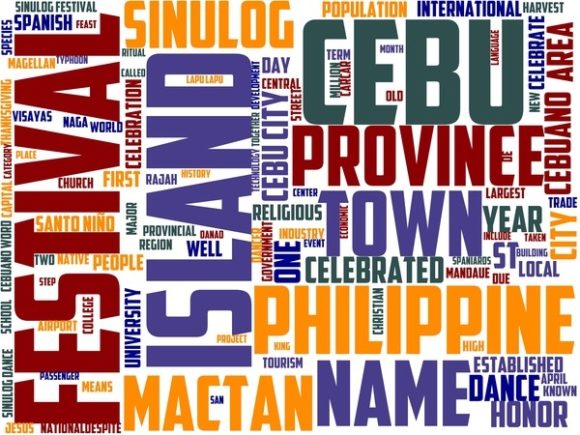
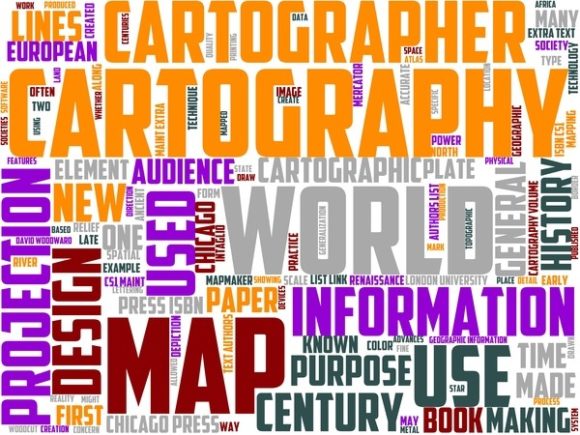
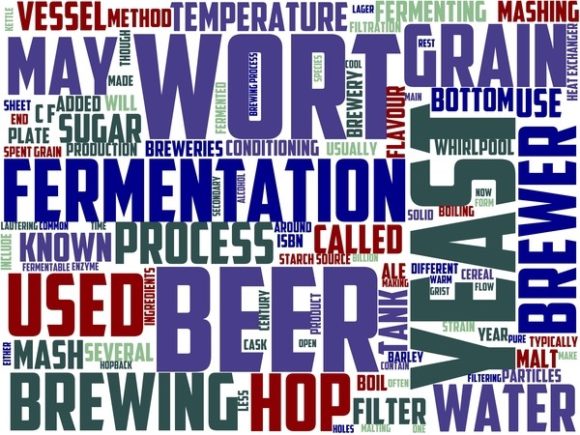
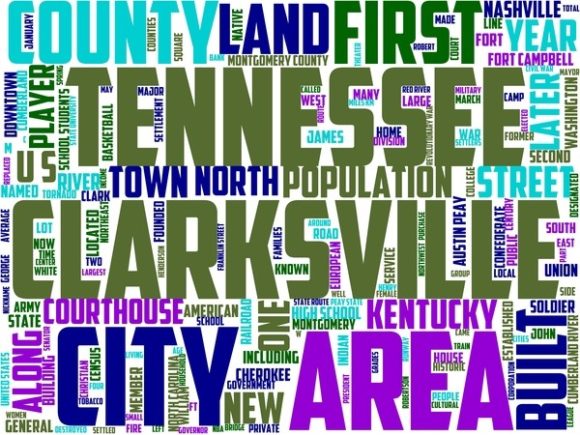
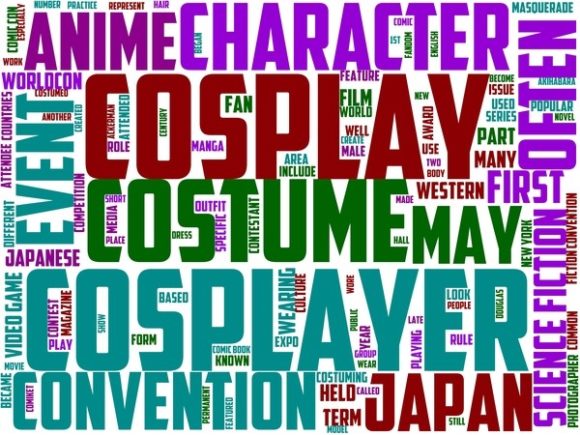
Imagine opening your craft cabinet and pulling out a vibrant, hand-drawn wordcloud—each word carefully placed, each color thoughtfully chosen—not as static art, but as a living design tool. That’s the heart of Cosplaying Wordart Sublimation: a collection of expressive, joyful, and deeply customizable wordclouds designed from the ground up for sublimation printing and broader creative use. These aren’t algorithm-generated clouds or generic clipart—they’re lovingly illustrated with personality, rhythm, and warmth, making them ideal for anyone who wants meaning *and* visual impact on fabric, paper, ceramic, or metal.
Where This Wordart Truly Shines (Beyond Just “Nice to Look At”)
This isn’t just about aesthetics—it’s about resonance. People connect with words that reflect identity, values, or shared experience. That’s why Cosplaying Wordart Sublimation works so well in spaces where authenticity matters:
- Fan conventions & cosplay events: Think custom tote bags printed with “Bold • Brave • Belong • Build” in swirling rainbow ink—worn proudly by attendees who see themselves in every syllable. Or pillow covers for vendor booths featuring “Create • Celebrate • Collaborate • Cosplay” stitched into soft cotton.
- Small-batch apparel brands: A boutique selling handmade tees for neurodivergent creators might use a cloud with “Think Different • Speak True • Move Your Way • Rest Well”—sublimated onto breathable tri-blend fabric. The result? Clothing that feels like affirmation, not advertising.
- Educational & wellness spaces: Yoga studios print “Breathe • Release • Return • Radiate” onto reusable water bottles. School counselors use “Listen • Honor • Grow • Hope” on classroom posters—words that land gently but stick firmly.
- Home décor with intention: A nursery wall hanging with “Giggle • Wonder • Snuggle • Dream” in soft pastel watercolor strokes. Or kitchen towels embroidered (via heat-transfer vinyl cut from sublimated sheets) with “Sip • Stir • Share • Smile.”
Real People, Real Uses—Not Just Hypotheticals
Take Maya, a freelance graphic designer who runs weekend craft markets. She started using Cosplaying Wordart Sublimation files to create limited-run notebooks for local book clubs. Each cover features a different cloud—“Read • Reflect • Relate • Reimagine”—printed on matte-finish kraft paper stock. Sales jumped because customers weren’t buying stationery; they were buying belonging.
Then there’s Derek, who teaches high school theater. He prints “Yes And • Try Again • Take Space • Trust Your Voice” onto satin rehearsal scarves for students. It’s subtle—but when a shy sophomore wraps one around her neck before stepping onstage, the words become quiet anchors.
Even wedding planners are leaning in: “Vow • Cherish • Choose • Grow” on linen cocktail napkins, or “Together • Tenderly • Truly” on acrylic cake toppers. It’s not filler text—it’s emotional shorthand, made tactile.
Why Sublimation Makes These Wordclouds So Versatile
Sublimation printing bonds ink directly into polyester fibers or polymer-coated surfaces—so colors stay vivid, edges stay crisp, and designs don’t crack or peel. That means your hand-drawn wordcloud stays alive across materials you might not expect:
- Apparel: From stretchy leggings to structured blazers—no fading after 30 washes.
- Hard goods: Ceramic mugs, aluminum water bottles, phone cases, and even coasters retain that rich, painterly texture.
- Textiles beyond clothing: Throw pillows, canvas wall art, tote bags, and even shower curtains hold the subtlety of watercolor washes and fine-line details.
And because these files are delivered in high-resolution PNG format with transparent backgrounds, you can layer them over photos, blend them into gradients, or scale them up for banners without pixelation.
What to Consider Before You Start Creating
While Cosplaying Wordart Sublimation is built for ease, a few thoughtful choices go a long way:
- Know your base material: Sublimation only works reliably on polyester or polymer-coated items. Cotton tees need a poly-blend (50/50 minimum), and natural fiber mugs require special coating. Always test first—even with trusted suppliers.
- Think about context, not just contrast: A bright, energetic cloud full of action verbs (“Jump • Juggle • Jam • Joke”) may energize a kids’ camp T-shirt—but feel jarring on a hospice volunteer badge. Match tone to purpose.
- Check word relevance—not just rhythm: These clouds are curated, not random. “Spark • Shift • Shine • Sustain” lands differently than “Spark • Sip • Scroll • Sleep.” Ask yourself: What feeling do I want this object to carry?
- Respect legibility at scale: Some hand-drawn styles include delicate flourishes. If you’re printing tiny tags or business cards, zoom in and verify readability—especially for names, dates, or key calls-to-action.
Who Benefits Most—and How They Use It Differently
A craft entrepreneur might treat Cosplaying Wordart Sublimation as inventory-in-waiting—batch-printing dozens of mug designs to sell online. A teacher uses it as a low-prep classroom tool—dragging a cloud into Canva, adding student names, and printing 20 “You Are Capable • Curious • Kind • Creative” bookmarks in under ten minutes.
A mental health counselor layers “Pause • Name It • Hold It Gently • Let Go” over a soft-focus photo background and turns it into tear-off mindfulness cards. A festival organizer imports the same file into Illustrator, adjusts spacing for a 10-foot banner, and orders vinyl-cut lettering for stage backdrops.
The flexibility lies not in complexity—but in clarity of intent. These wordclouds give voice to values without needing explanation. They’re ready to adapt, not dictate.
A Few Gentle Realities to Keep in Mind
These designs thrive when paired with intention—not automation. They won’t magically fix weak branding or replace thoughtful copywriting. And while they’re optimized for sublimation, they’re equally powerful in non-sublimation contexts: digital invitations, printable wall art, SVG cuts for Cricut users, or layered elements in editorial layouts.
They also assume some basic familiarity with design tools (Canva, Photoshop, Affinity Designer, etc.)—but no advanced skills. If you can resize an image and change a background color, you’re already equipped.
Most importantly: these aren’t “one-size-fits-all” templates. They’re starting points—invitations to pause, choose words that matter, and make something that feels true. Whether you’re designing for a crowd of 500 or a single person holding a mug on a hard day, Cosplaying Wordart Sublimation meets you where you are—with color, care, and quiet confidence in the power of well-chosen words.