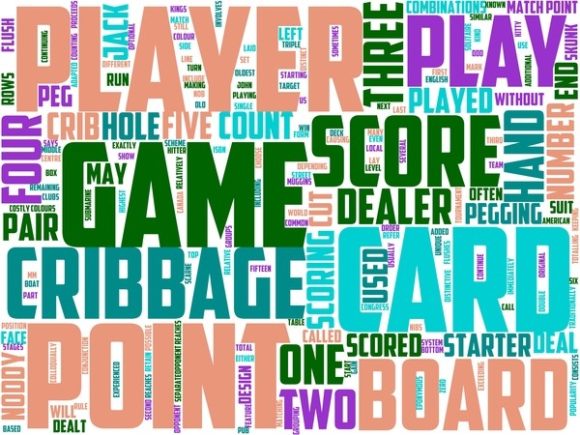
Cribbage Wordart Wallpaper
If you’ve ever stared at a blank notebook cover, a plain tote bag, or a dull conference handout and thought, “This needs personality—and fast,” Cribbage Wordart Wallpaper is the kind of resource that quietly solves that problem. It’s not just another clipart pack or generic vector set. It’s a hand-drawn, colorful wordcloud—thoughtfully arranged, visually balanced, and rich with meaning—that works as both decoration and communication tool. Designed with crafters, small business owners, educators, and DIY enthusiasts in mind, it’s built to be applied, adapted, and repeated across real-world surfaces and formats.
What You’re Actually Getting (and Why It Matters)
This isn’t a single static image—it’s a flexible design asset. The Cribbage Wordart Wallpaper comes as a high-resolution, seamless repeat pattern (often in PNG or JPEG with transparent background), so it tiles cleanly across large areas like posters or fabric panels. Every word—“creativity,” “inspire,” “play,” “learn,” “connect,” “make”—is hand-lettered, not typed. That subtle imperfection gives warmth and authenticity. No sterile fonts. No AI-generated uniformity. Just human rhythm in line weight, spacing, and tilt.
That matters because when you print this on a yoga studio welcome banner or embroider it onto a teacher’s apron, people don’t just see words—they sense care. They feel intention. And in crowded digital feeds or cluttered retail shelves, that distinction builds trust before a single sentence is read.
Where It Fits Into Real Life—Not Just Design Software
You don’t need Photoshop skills—or even a design degree—to use Cribbage Wordart Wallpaper. Here’s how it shows up where people actually work and create:
- Small business branding: A local pottery studio prints it on kraft paper gift tags and reusable cotton bags. The texture of the hand-drawn words complements their earthy glazes and handmade aesthetic—no mismatched stock graphics needed.
- Classroom & homeschool tools: A 4th-grade teacher copies the pattern into Canva, crops a section for a “Growth Mindset” bulletin board header, then reuses the same file for printable reflection journals. Consistency across materials helps students anchor emotionally to the theme—not just the words.
- Event planning: A wedding coordinator uses one color variation for ceremony programs (“love,” “vow,” “together”) and swaps to a softer palette for thank-you cards. Same layout. Different feeling. Zero redesign time.
- Content creation: A wellness blogger layers a cropped section behind her Instagram quote post. Because the background already contains meaningful language, she doesn’t have to cram extra text into tight spaces—just let the wallpaper do quiet semantic heavy lifting.
Use Cases That Go Beyond “Pretty Background”
The strength of Cribbage Wordart Wallpaper lies in how easily it shifts roles. It’s equally at home as:
- A subtle textile print for linen pillow covers sold on Etsy—where buyers scroll past dozens of neutral options and pause at the one that whispers “joy” without shouting;
- A base layer under bold typography in a nonprofit’s annual report—adding visual depth while reinforcing mission language (“serve,” “hope,” “change”) without editorializing;
- A tactile element in scrapbooking: printed on cardstock, cut out, and collaged beside photos from a family reunion—so the words become part of the memory, not just decoration;
- A customizable template for digital planners: users drag the pattern into Notion or GoodNotes, adjust opacity, and build weekly habit trackers around embedded prompts like “breathe,” “pause,” “notice.”
What to Consider Before You Apply It
Because it’s hand-drawn and word-based, context shapes impact. Ask yourself:
- Who’s reading—or seeing—this? If your audience includes young children or readers with dyslexia, test readability at intended size. Some letterforms lean playful; others may blur if scaled too small.
- Is contrast working for function? On dark mugs or navy notebooks, a light-colored version holds up better than pastel-on-white. Many creators download multiple colorways to match brand palettes or seasonal launches.
- Are you using it legally—and sustainably? Check the license: most versions allow commercial use (including resale on physical goods), but not redistribution of the raw file. If you’re designing for a client, clarify usage rights upfront—especially for packaging or app interfaces.
- Does repetition serve the message—or dilute it? Tiling the full pattern across a 24"x36" poster creates energy. Repeating it 50 times on a tiny sticker might make individual words unreadable. Crop intentionally. Zoom in on clusters that resonate most.
Why It Sticks With Users (Beyond Aesthetics)
People return to Cribbage Wordart Wallpaper because it bridges practicality and emotional resonance. A freelance graphic designer uses it to speed up mockups for indie authors—no more scrambling for “bookish” textures. A homeschool mom adapts it for chore charts where “help,” “tidy,” and “kind” replace exclamation points and stars. A boutique owner prints it on tissue paper inside gift boxes—not as filler, but as a quiet affirmation for the recipient opening it.
It also avoids trend fatigue. Unlike hyper-stylized fonts or seasonal filters, hand-drawn wordclouds age gracefully. That same file used for a 2023 workshop flyer still feels fresh in a 2025 journal launch—because its warmth isn’t tied to a moment. It’s tied to how people connect, learn, and make things together.
Getting Started Without Overthinking It
You don’t need to plan a full rebrand to benefit. Try one low-stakes experiment first:
- Download the file.
- Open it in any free tool (Canva, Google Slides, even Preview on Mac).
- Crop a 3-inch square that highlights three words you love right now—maybe “curious,” “start,” and “small.”
- Print it on sticker paper. Stick it on your laptop. Or paste it inside your planner next to today’s to-do list.
That’s how Cribbage Wordart Wallpaper earns its place—not as a one-time purchase, but as a quiet collaborator in your daily making. Whether you're screen-printing fabric for a pop-up shop, drafting a syllabus for a community workshop, or personalizing a birthday card for your niece, it offers grounded, human-centered texture. Not noise. Not clutter. Just words—drawn with care, arranged with purpose, ready to become part of what you make next.