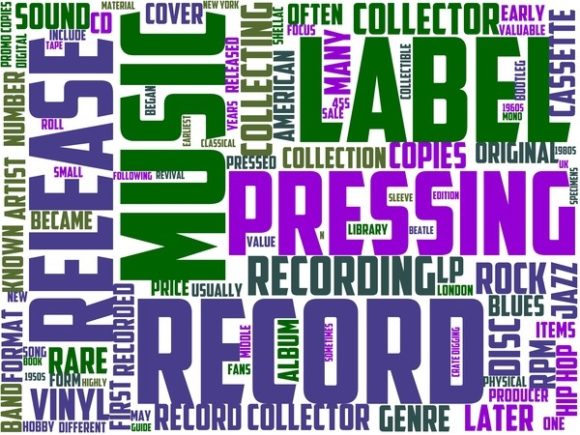
Collecting RPM Records Wordart Tumbler
If you've ever wanted to add a vibrant, meaningful, and hand-crafted touch to your creative projects—without needing advanced design skills—the Collecting RPM Records Wordart Tumbler is a quietly powerful tool. It’s not just another digital graphic. It’s a beautifully hand-drawn, colorful wordcloud built around the theme of vinyl collecting, rhythm, music culture, and analog nostalgia—designed with intention for real-world use.
What Makes This Wordart Special?
Unlike generic clipart or AI-generated text clouds, this wordcloud features organic linework, balanced spacing, and thoughtful color layering—all created by hand. Words like “Vinyl,” “Spin,” “Groove,” “RPM,” “Record Store,” “Analog,” “Crate Digging,” and “Turntable” flow together naturally, evoking warmth, authenticity, and musical passion. The design avoids rigid symmetry, giving it personality and charm—ideal for projects where soul matters more than perfection.
It’s delivered as a high-resolution, scalable vector (SVG/EPS) and print-ready PNG, so whether you’re printing on fabric, engraving wood, or adding it to a digital newsletter, clarity stays intact at any size.
Why People Reach for This Design
Creatives and small business owners often face the same quiet challenge: how to communicate mood, identity, or values without over-explaining. A well-placed wordcloud like the Collecting RPM Records Wordart Tumbler does that work intuitively. It signals belonging—to a community of music lovers, collectors, or analog enthusiasts—while leaving room for interpretation.
For educators teaching music history or media literacy, it becomes a visual anchor in lesson handouts or classroom posters. For makers selling handmade turntable accessories, it adds instant thematic cohesion to packaging labels or thank-you cards. Bloggers covering record fairs or indie label spotlights use it to liven up social graphics or email headers—no need to hire a designer every time.
Where It Fits Naturally (and Why That Matters)
This wordcloud thrives where authenticity meets utility. Here are just a few grounded examples:
- Clothing & Accessories: Screen-printed onto tote bags for a local record shop’s summer sale—or embroidered subtly on the chest of denim jackets sold at a vinyl pop-up.
- Home Décor & Gifts: Printed on pillow covers for a music-themed guest room, or laser-cut into wooden coasters for a DJ’s housewarming gift.
- Promotional Materials: Embedded in an invitation for a “RPM Listening Night” event, or scaled down as a watermark behind a café’s weekly vinyl playlist flyer.
- Digital & Print Publishing: Used as a decorative header in an e-book about crate-digging culture, or as a recurring motif across chapters in a zine about independent record labels.
- Educational Tools: Turned into flashcards for students learning audio terminology—or enlarged as a classroom poster linking physical media formats to their cultural impact.
It works because it doesn’t shout. It invites. And because it’s rooted in real language—not buzzwords—it feels trustworthy and human.
Practical Things to Keep in Mind
Before diving in, consider how you’ll use it—and what level of customization you might want later. While the Collecting RPM Records Wordart Tumbler comes ready-to-use, its vector format means you can easily tweak colors, isolate words, or reposition elements using free tools like Inkscape or paid ones like Adobe Illustrator. No design degree required—but a little experimentation goes a long way.
If you're applying it to textiles, check your printer’s or embroiderer’s guidelines for minimum line thickness and color limits. Some crafters find success simplifying the palette to three or four tones for cleaner fabric prints. Others love keeping the full spectrum for wall art or digital displays.
Also worth noting: while the design celebrates RPM and vinyl culture, it’s flexible enough to support adjacent themes—like audio engineering, DJ culture, or even retro tech nostalgia—without feeling forced. Just avoid stretching it too far from its core vibe; authenticity is part of its appeal.
Who Benefits Most—and How
Beginners appreciate how little setup it takes: download, open, drag-and-drop into Canva or Cricut Design Space, and go. There’s no steep learning curve—just immediate visual impact. Freelancers and small studios use it to speed up client deliverables, especially when branding consistency matters but budgets don’t allow for custom illustration each time.
Entrepreneurs launching music-related products—from subscription boxes to vintage speaker kits—find it invaluable for building cohesive, emotionally resonant visuals across platforms. Even educators repurpose it across grade levels: younger students match words to images in listening activities, while older learners analyze how typography and layout shape cultural messaging.
And for hobbyists? It’s permission to play. Try tracing it by hand onto a notebook cover. Layer it under watercolor washes. Cut it out of colored paper for a collage. The design supports process—not just polish.
A Final Thought
The Collecting RPM Records Wordart Tumbler isn’t about chasing trends. It’s about honoring a tangible, tactile relationship with sound—something that still moves people, decades after the first LP spun. Whether you’re designing your first band merch or refreshing a decade-old blog’s visual voice, this wordcloud offers a grounded, joyful, and surprisingly versatile starting point. It reminds us that great design doesn’t always need complexity—it just needs heart, clarity, and the right words, placed with care.