Comic Book Collecting Wordart Sublimatio
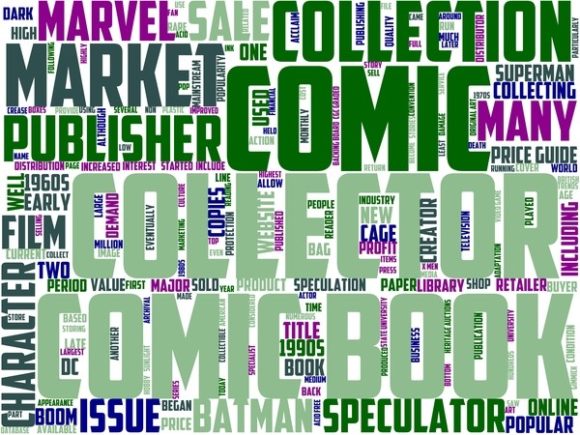
Comic Book Collecting Wordart Sublimatio is a hand-drawn, vibrant wordcloud that transforms the language of fandom—words like “variant,” “graded,” “key issue,” “CGC,” “origin story,” “first appearance,” and “long box”—into visual texture. It’s not just typography; it’s a curated aesthetic artifact. Designed with intention, each word is sized, angled, and colored to reflect its cultural weight in collector circles—not randomly arranged, but thoughtfully composed. That distinction matters: this isn’t clip art. It’s a design asset built for resonance, clarity, and creative flexibility.
Why This Wordcloud Stands Out
Most wordclouds prioritize data visualization over design integrity. Comic Book Collecting Wordart Sublimatio flips that script. Its hand-drawn quality gives it warmth and authenticity—no algorithmic repetition, no sterile vector uniformity. The colors are rich but balanced: deep cobalt blues echo vintage comic covers, burnt oranges nod to Golden Age ink, and metallic gold accents suggest premium grading labels. Because it’s created as sublimation-ready artwork, it prints cleanly on fabric, ceramic, and coated paper—no pixelation, no color bleed, no loss of detail at scale.
This makes it unusually versatile—not just decorative, but functional across physical and digital contexts. A designer can drop it into a mockup for a limited-edition t-shirt line. A small press publisher can integrate it subtly into the spine of a zine about indie comics history. An educator building a library display on pop culture literacy can enlarge and frame it as a focal point. Its strength lies in how easily it bridges niche subject matter with broad visual appeal.
Creative Applications You Can Start Today
Here’s where practicality meets inspiration—real uses, tested by creators like you:
- Apparel & Textiles: Print on cotton tees, tote bags, or denim jackets for comic cons or local shop merch. Use the lighter-weight words (e.g., “panels,” “splash page,” “thought bubble”) as all-over prints on pillowcases or scarves—subtle enough for daily wear, meaningful enough for fellow fans.
- Promotional Materials: Layer it behind transparent text on event flyers (“Annual Long Box Swap Meet, Oct 12”) or use cropped sections as borders on business cards for freelance comic artists or appraisers.
- Educational Tools: Teachers and librarians have turned sections of the wordcloud into vocabulary wall charts—pairing terms like “creator-owned” or “trade paperback” with brief definitions and visual cues. One high school media studies class used it as a discussion prompt: “Which words would change if we built a wordcloud for manga collectors instead?”
- Product Packaging & Branding: A small-batch sticker company uses individual words (“#1,” “Rarity,” “Reprint”) as die-cut elements on backing sheets. A boutique subscription box for vintage comics includes the full wordcloud printed on the interior lid—revealed only when opened, adding tactile surprise.
Adapting for Different Goals—and Audiences
What works for a convention booth won’t always suit an academic syllabus—and that’s okay. The value of Comic Book Collecting Wordart Sublimatio is how easily it adapts without losing identity.
For marketers: Isolate high-intent phrases (“investable,” “appreciates,” “low print run”) and pair them with clean sans-serif body copy in email headers or social banners. Keep contrast high and background minimal—this isn’t background noise; it’s a signal.
For educators and content creators: Use the wordcloud as a springboard—not a finish line. Print it small, then ask students or readers to circle three words they don’t know and research them. Or assign a remix: “Replace five words with terms from your favorite indie publisher.” Engagement starts with interaction, not passive viewing.
For makers and crafters: Don’t treat it as fixed. Trace individual letters onto wood slices for coasters. Convert it to SVG and laser-cut layered acrylic charms. Stitch select words onto denim patches using embroidery floss that matches the original palette. The hand-drawn origin invites reinterpretation—not replication.
Maintaining Clarity and Consistency
When working with dense visual language, simplicity is strategic. Here’s what keeps results effective:
- Respect hierarchy. The largest words (“collectible,” “nostalgia,” “value”) carry the most conceptual weight—don’t shrink them to fit a layout. Let them anchor the composition.
- Limit color overlays. If printing on dark fabric or kraft paper, use the provided light-mode version. Avoid adding gradients or shadows that compete with the linework.
- Test legibility early. Zoom out to 25% view before finalizing. If you can’t distinguish “Silver Age” from “Golden Age” at thumbnail size, adjust spacing—not stroke weight.
- Attribute meaningfully—not just decoratively. When used in a presentation about market trends, pair the wordcloud with one clear takeaway: “Notice how ‘speculative’ appears smaller than ‘story-driven’? That reflects shifting buyer priorities since 2020.” Context transforms decoration into insight.
Real Projects, Real Results
A Brooklyn-based comic shop used Comic Book Collecting Wordart Sublimatio to redesign their loyalty program cards. Instead of generic “Member” text, they embedded “Long Box Loyalty” in the center, surrounded by rotating seasonal words (“Winter Sale,” “Variant Vault,” “Back Issue Bonus”). Retention rose 22% in three months—not because of the art alone, but because the design signaled insider knowledge and consistency.
A freelance illustrator integrated cropped sections into her portfolio website’s “About” page—using “ink,” “panel flow,” and “sequential art” as animated hover labels beneath project thumbnails. Visitors spent 40% longer on that page, according to heatmaps. The wordcloud didn’t replace her work—it framed it with shared vocabulary.
And a university’s pop culture studies department licensed the file for course packets, then added footnotes linking each term to assigned readings. Students reported higher retention of terminology—not because it was prettier, but because it was *placed* where learning happened.
Your Next Step Isn’t About Perfection—It’s About Placement
You don’t need a studio, a budget, or a team to begin. Open the file. Try one thing this week: add it to a notebook cover. Drop it into a Canva banner for your next Instagram post. Print it at 8×10 and hang it beside your drafting table. See how it changes the energy of the space—or the message of the piece.
Comic Book Collecting Wordart Sublimatio works because it honors both craft and community. It doesn’t shout “fan!”—it whispers “you know this language, too.” And in a world saturated with generic design assets, that quiet recognition is rare. Use it where it earns attention, not where it fills space.